Closing ceremony honours winners as competition strengthens its Arab reach and student engagement with future sciences.

The closing ceremony announced the winning teams of this year’s competition, held under the theme “Tourism and Hospitality”, which encouraged students to explore the use of emerging technologies, particularly artificial intelligence and the Internet of Things, to advance tourism, sustainability, hospitality services, and cultural experiences.
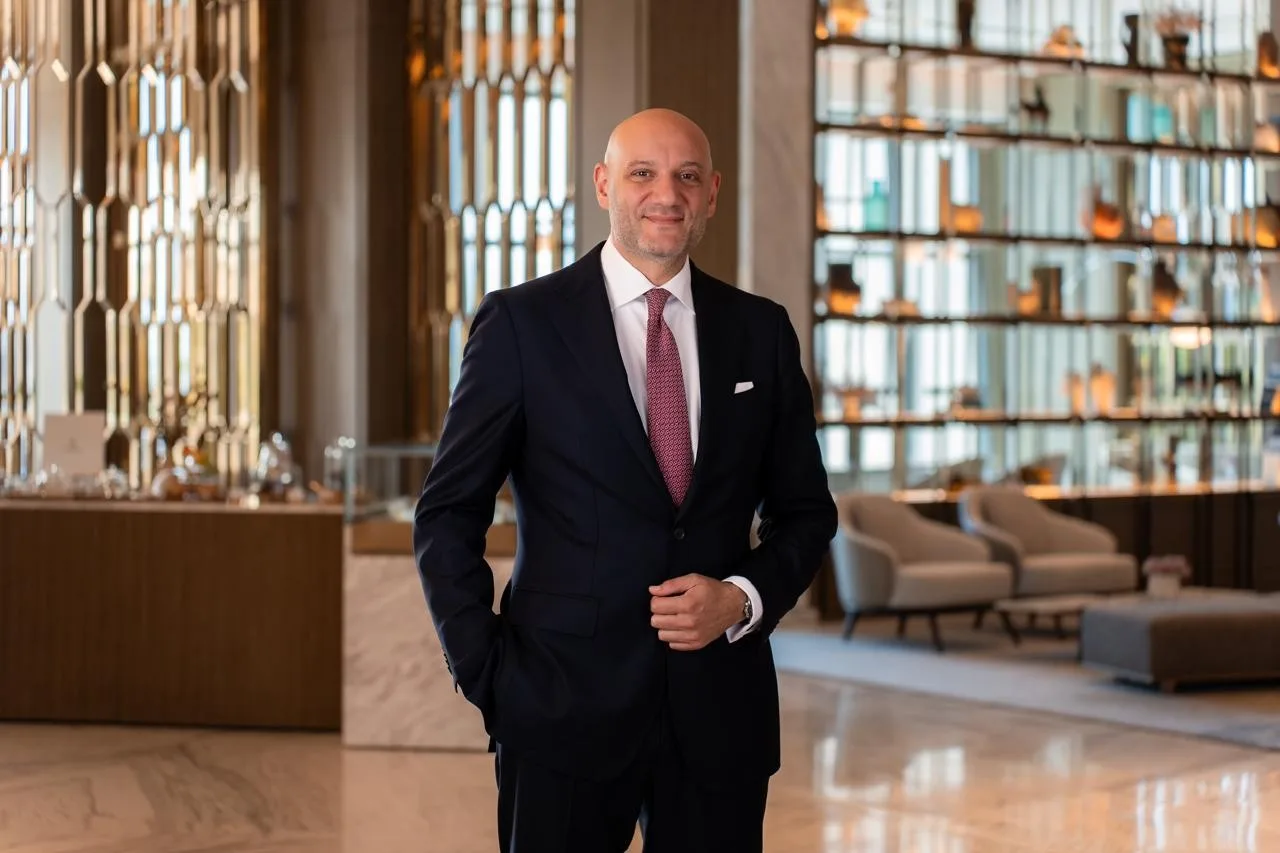
Speaking during the ceremony, His Excellency Humaid Mohammed Al Qatami, Chairman of the Board of Trustees of Hamdan Bin Rashid Al Maktoum Foundation for Medical and Educational Sciences, said: “Today, we celebrate the conclusion of a new season of the Future Science Challenge, which continues to strengthen its presence as a leading Arab platform for discovering promising student talent and inspiring innovation in fields linked to advanced technologies and future sciences. The participation of 1,713 male and female students from educational institutions across the Arab world reflects our young people’s ambition, knowledge, and genuine capacity to innovate and make a meaningful difference.”
The fifth season saw 914 teams comprising 2,298 students register for the competition, with 681 teams nominated by participating entities. This edition marked the first participation of the Sharjah Private Education Authority, Rubu’ Qarn Centre, and the Ministry of Education and Higher Education of the Republic of Lebanon, reflecting the competition’s expanding institutional reach and growing confidence across the Arab world.
As part of the season, introductory sessions in Arabic and English were held on 11 and 18 October 2025, attended by around 700 students and supervisors. A specialised training programme was also delivered for junior and professional teams, covering smart embedded systems, microcontrollers, artificial intelligence, machine learning, the Internet of Things, and prototype development, with 344 junior participants and 519 professional-category participants.
A judging panel of 17 university professors, engineers, and specialists in artificial intelligence and the Internet of Things evaluated the projects across six criteria: design, innovation, technology and electronics, programming, presentation and communication, and relevance to the competition theme. Entries went through online judging followed by in-person interviews for qualified teams.
The awards covered both junior and professional categories, including Future Science Challenge Champion, Best Designer, Best Innovator, Best Engineer, Best Presenter, outstanding performance awards, and special jury awards. The winning projects demonstrated strong applied thinking, design capability, and effective use of technology, reflecting students’ ability to develop future-focused solutions for tourism and hospitality.
At the conclusion of the ceremony, the Foundation reaffirmed its commitment to supporting knowledge-based initiatives, promoting excellence and innovation, and empowering talented Arab students to strengthen their presence in future sciences and scientific competition.


Discover more from DGN Gate
Subscribe to get the latest posts sent to your email.